


Garden designers explained
07/02/2026
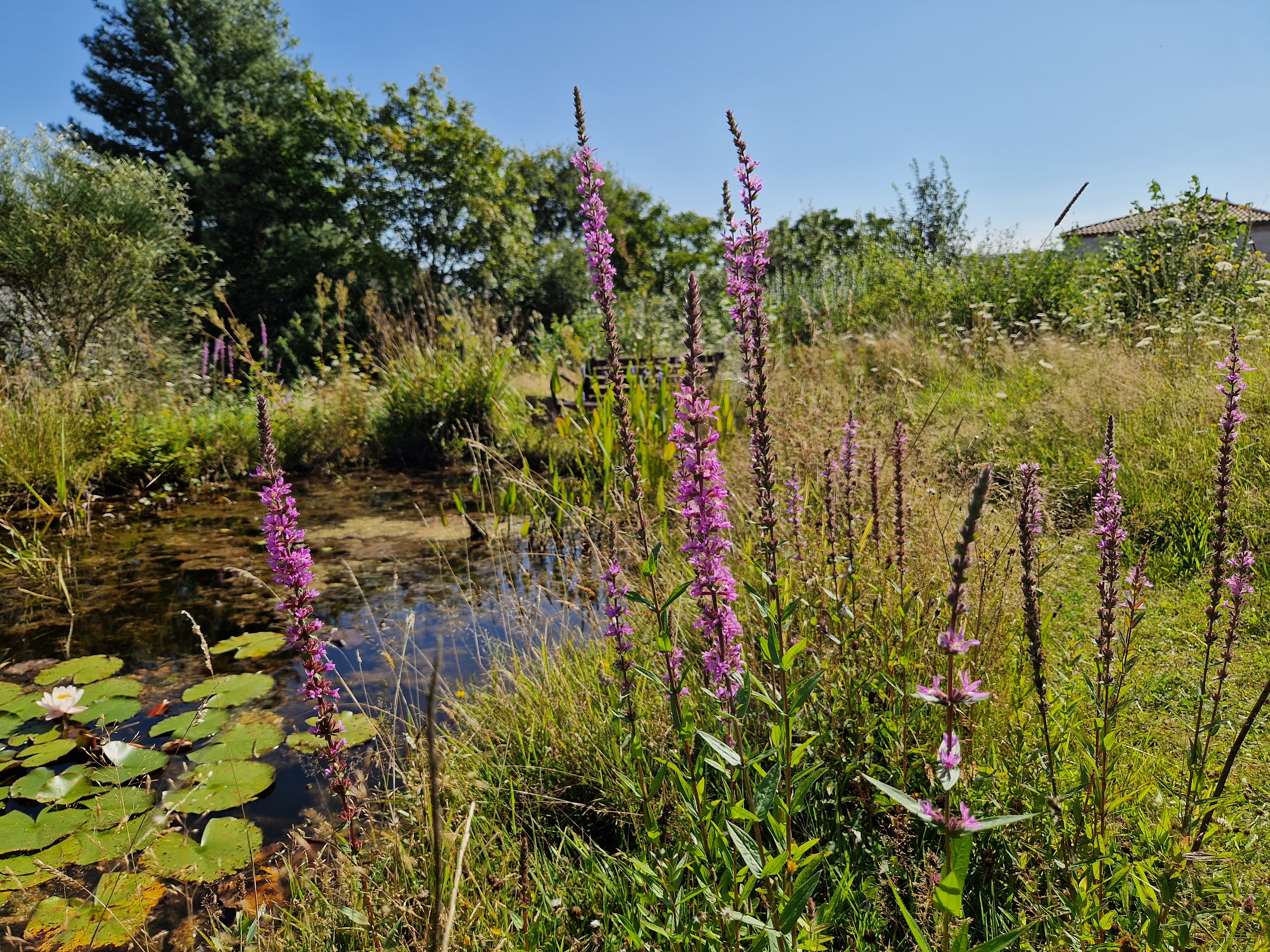
When it comes to ecological gardens, I mainly start from my background as a biologist. My motivation when designing green spaces is to create added value for local biodiversity: a rich palette of native plants, a mosaic of different habitats and a vertical stratification of vegetation. The aim is to create a green oasis that we enjoy as humans, but which at the same time - on a small scale - makes a meaningful contribution to nature. In this way, every natural garden can form a link within a larger green network.
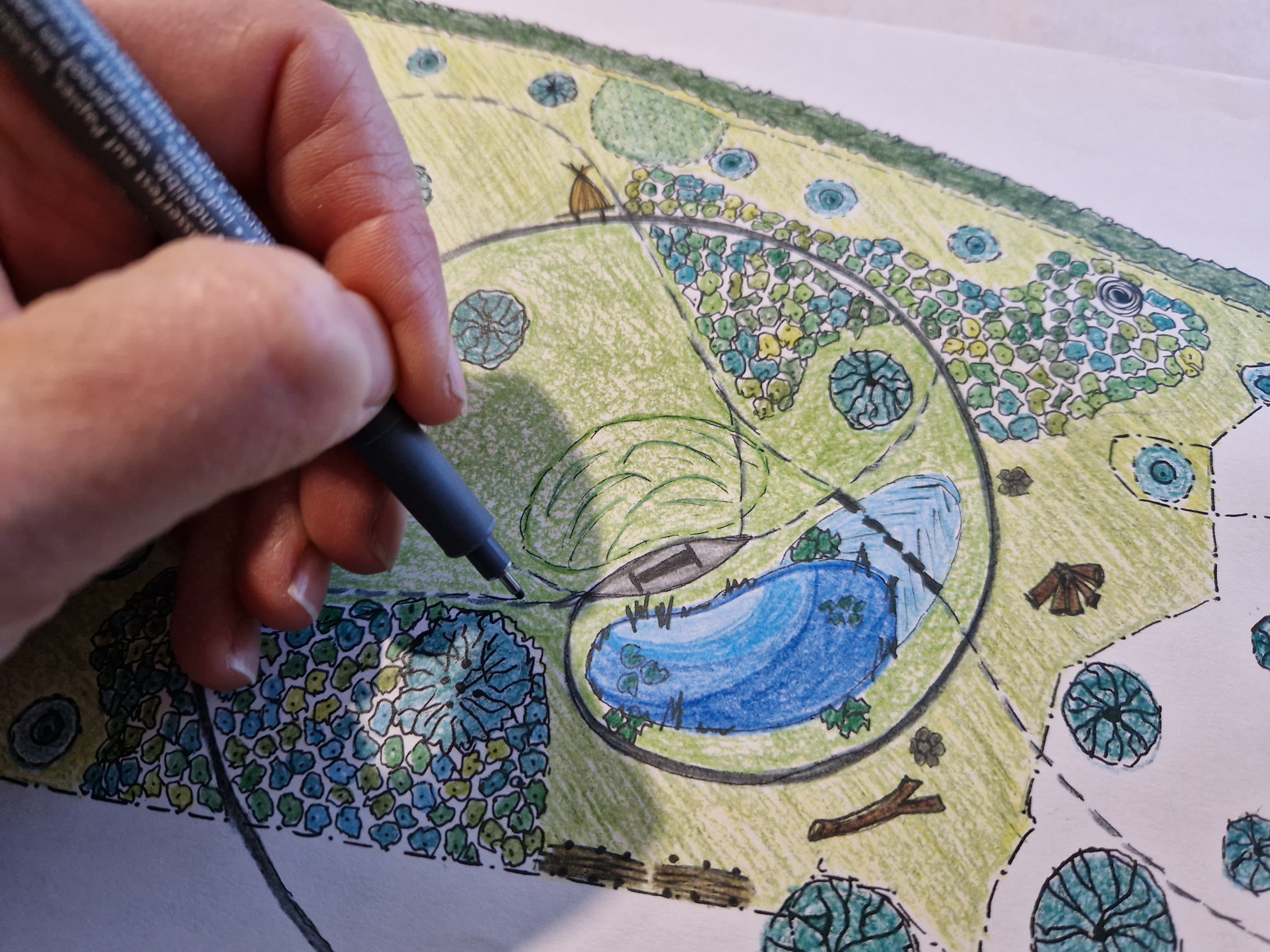
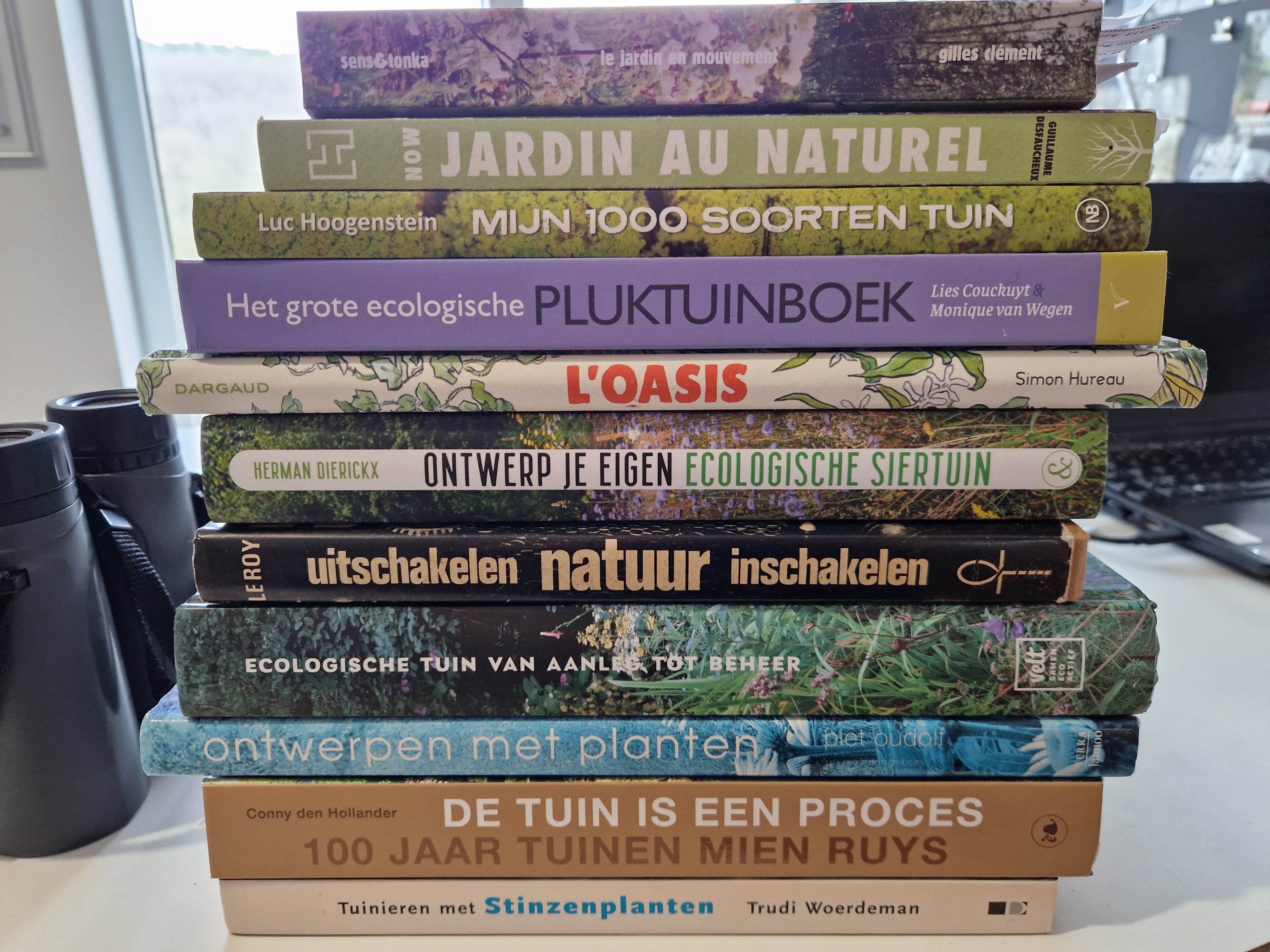
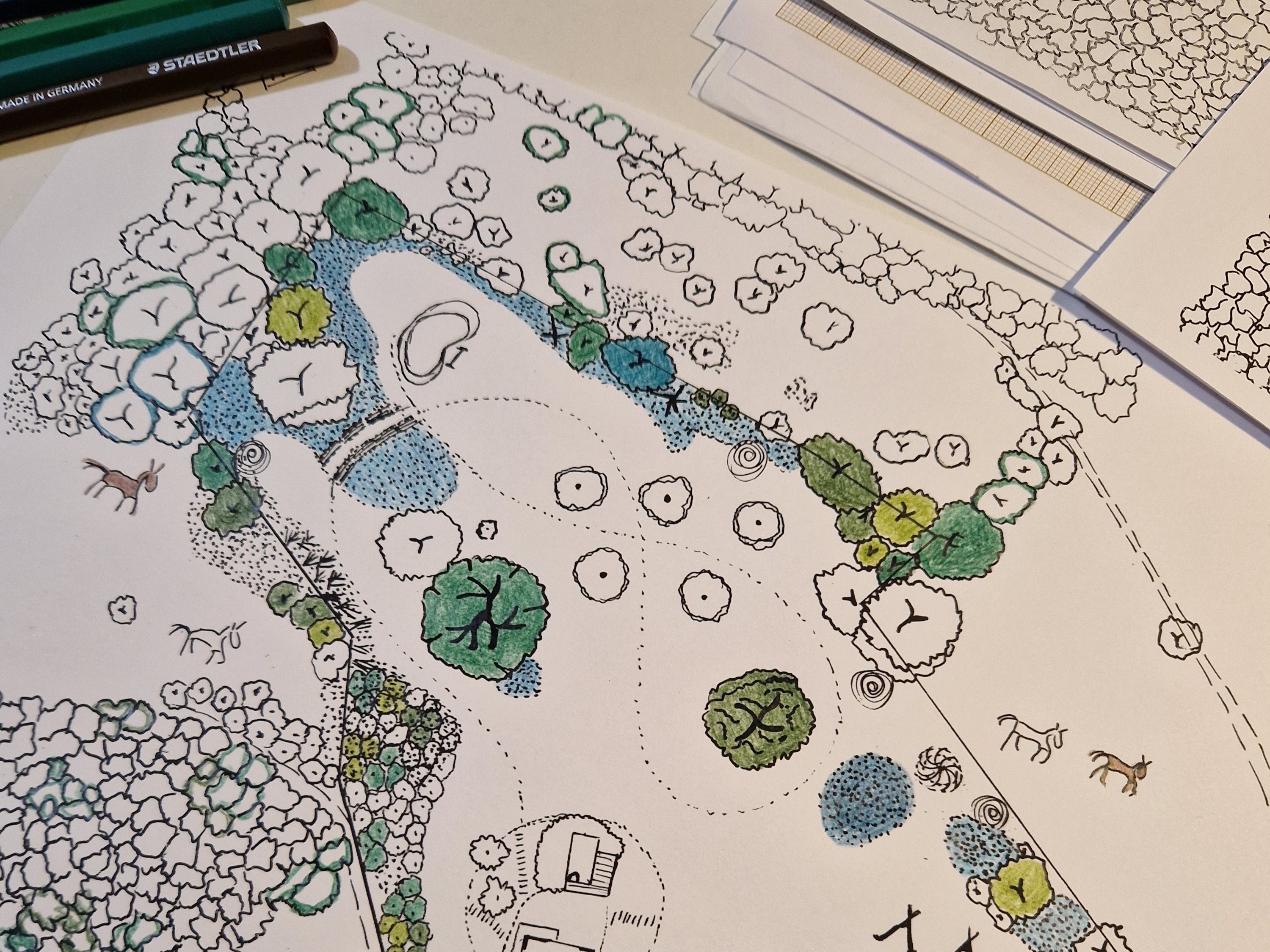
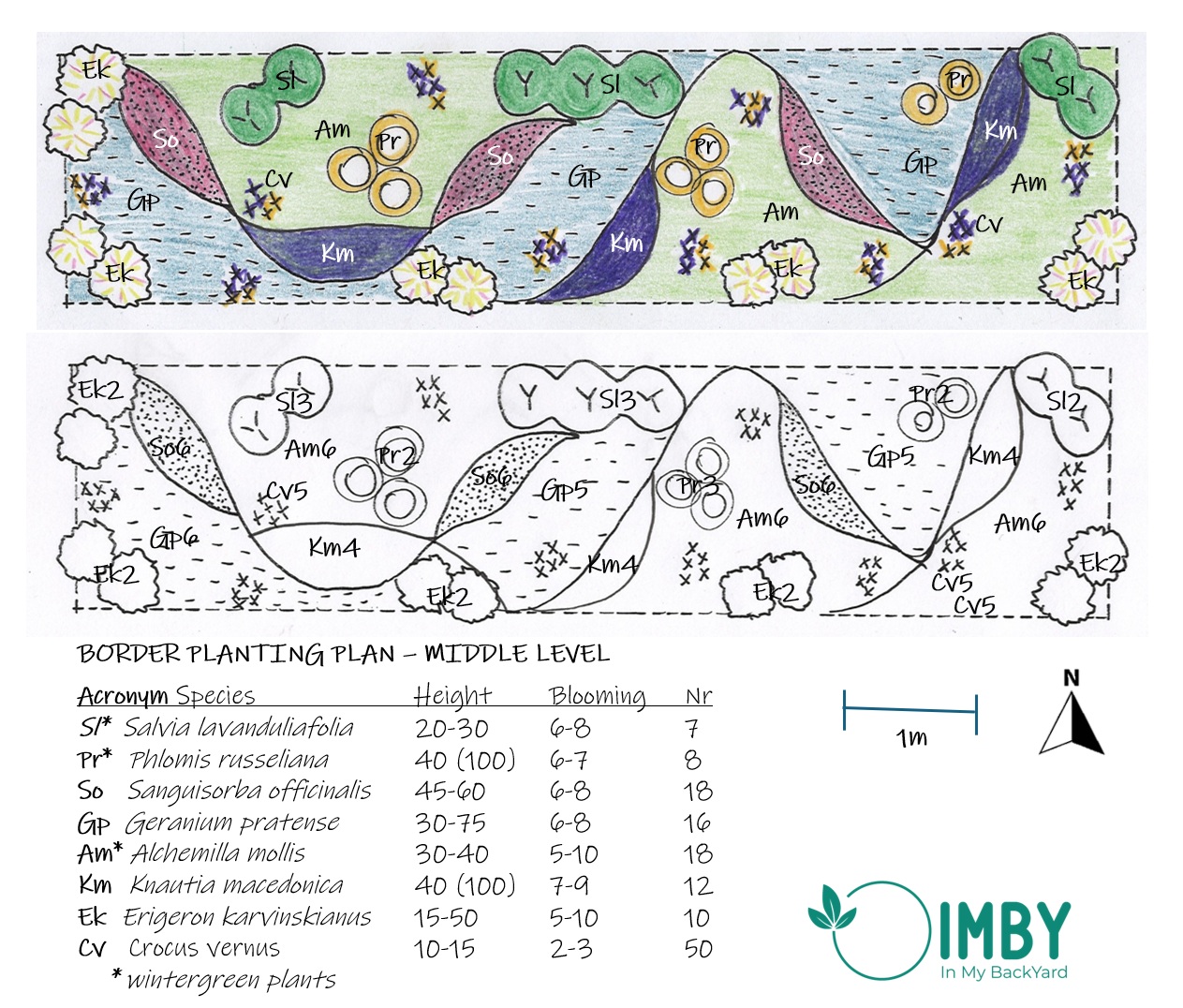
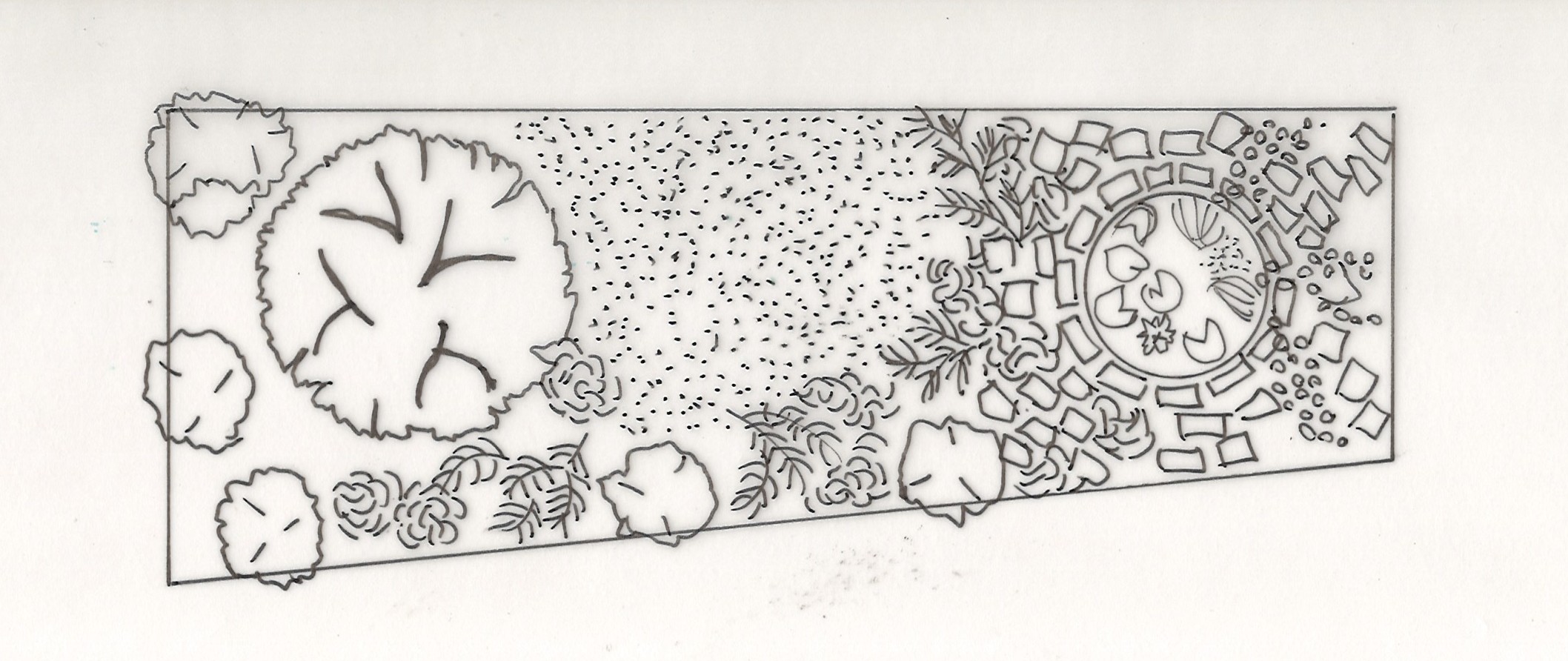
Garden and landscape architecture is a profession in itself. It requires spatial insight, a sense of aesthetics and visual axes, and drawing skills that I will probably never fully master. Still, I like to be inspired by it. At the year end, I became fascinated by a number of books by influential figures who each made their own contribution to the gardening movement, natural or otherwise. In this blog, I like to share some insights - and with each book you read, you will discover new ones that are still waiting to be discovered.
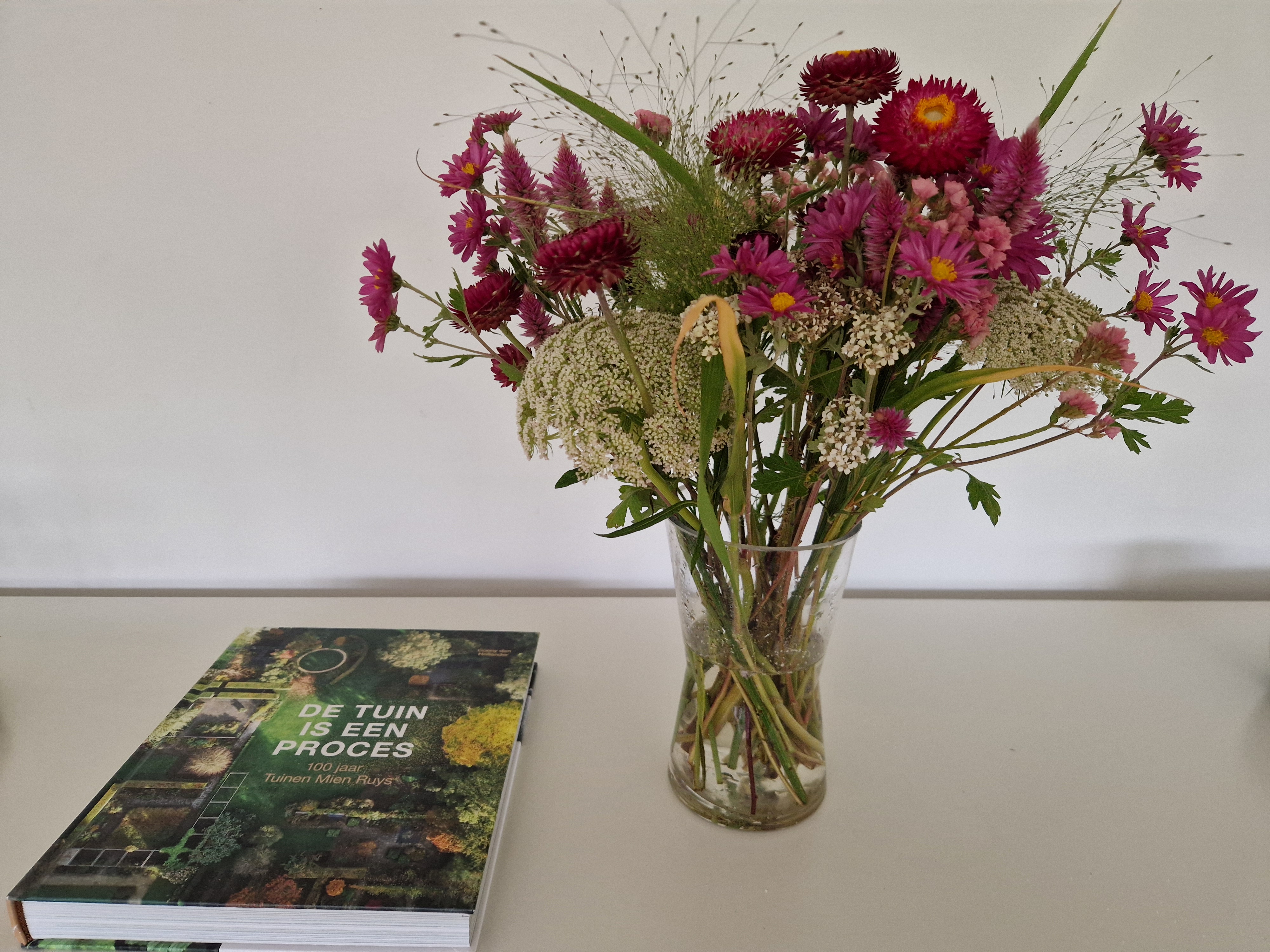
The book The garden is a process. 100 years of gardens Mien Ruys (1924-2024) highlights the life's work of this leading Dutch garden designer. Ruys pioneered the use of perennials, no longer as mere decoration, but as fully-fledged building blocks of a garden design. Her work is characterised by clear spatial structures: clean lines, dimensions and repetition, in which perennials were used orderly and thoughtfully.
Through strong combinations, she creates tranquillity and cohesion, while flowering, leaf structure and seasonal changes provide dynamism. She is one of the first to fine-tune her plantings in terms of location, maintenance and durability, making them work in the long term. Her gardens are accessible to a wide audience: the combinations are reproducible and her test gardens act as a living textbook.
Dedemsvaart experimental gardens by Mien Ruys © Conny Den Hollander
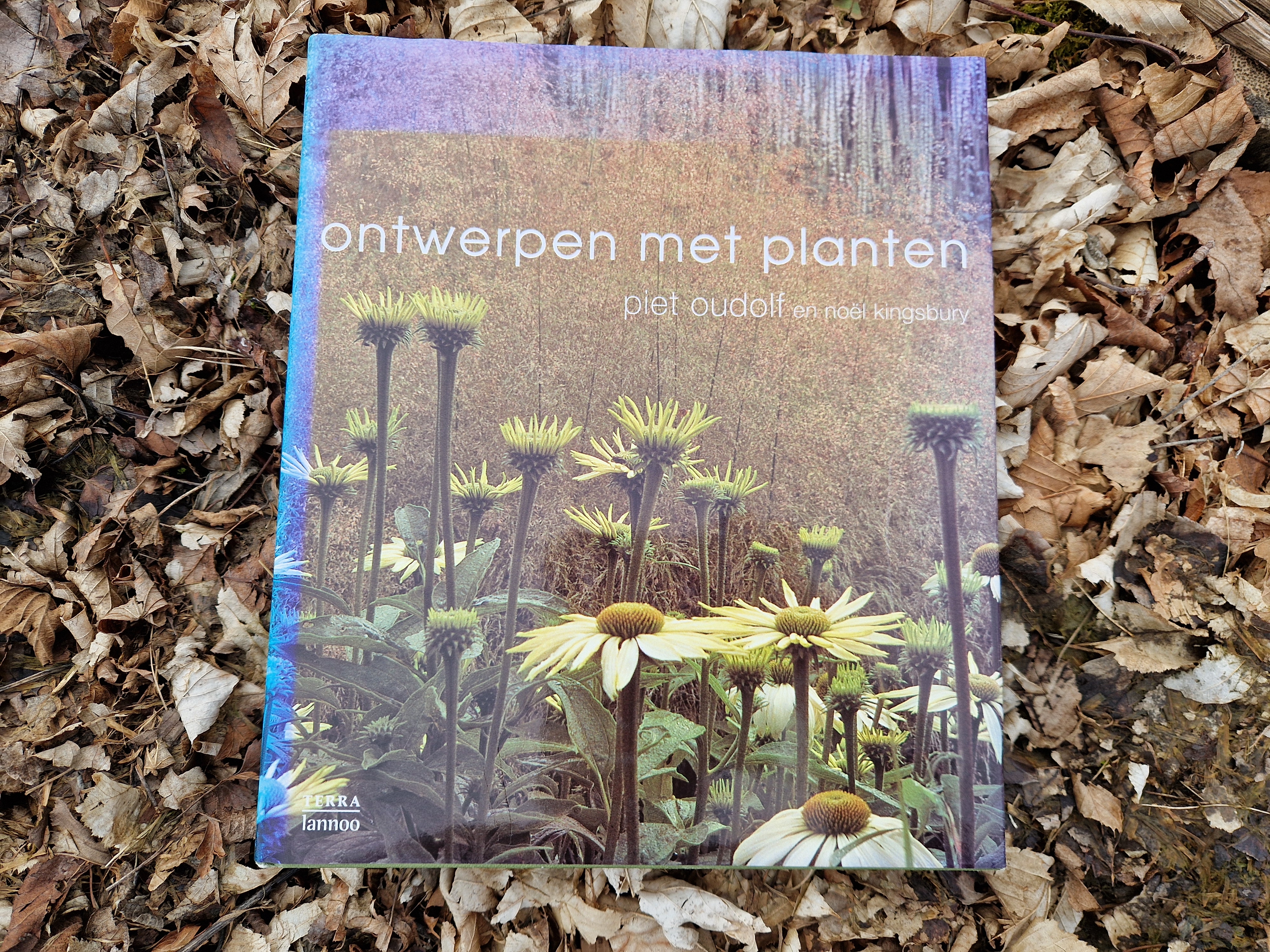
Mien Ruys's work forms an important basis for what is further developed in the 1980s by Piet Oudolf and the Dutch Wave >. Here, the focus palpably shifts from rigid structure to ecology and experience. The arrangement in lines and boxes gives way to a more naturalistic approach, in which plants are chosen based on their full life cycle. Texture, seed heads and winter appearance are given as much attention as flowering, keeping the garden meaningful beyond the flowering season. Structure is no longer in lines and compartments, but in the planting itself.
Oudolf works with large, ecologically inspired plant communities, based on natural systems. He prefers species and cultivars that are close to their wild origins: plants with a natural growth form and sturdy stems. These are more predictable, ecologically valuable and fit better in mixed, naturalistic plantings. Plantings become more landscape-like, the garden looks wilder but is still carefully composed. The result is an aesthetic that is close to nature without being truly 'wild'. In my opinion, this should also be possible with native plant communities and worth exploring.
"Repetition of plants gives rhythm and coherence; it makes loose parts into one whole." (translated quote)
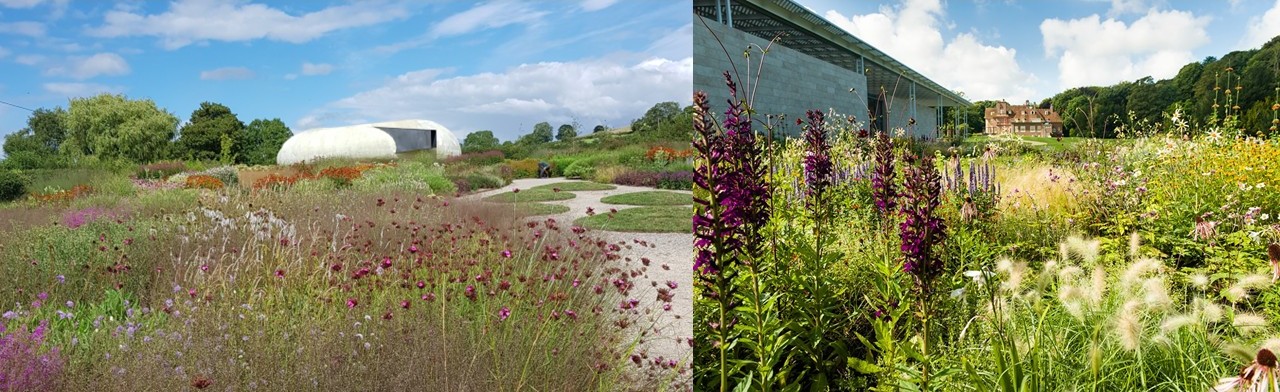
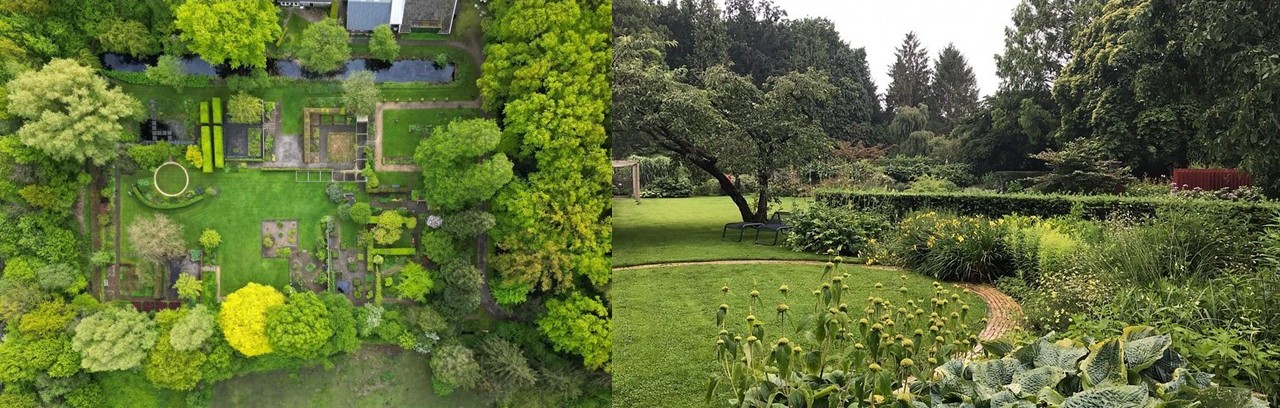
Piet Oudolf gardens: Hauser & Wirth, Somerset © Green Inspiration & Museum Voorlinden
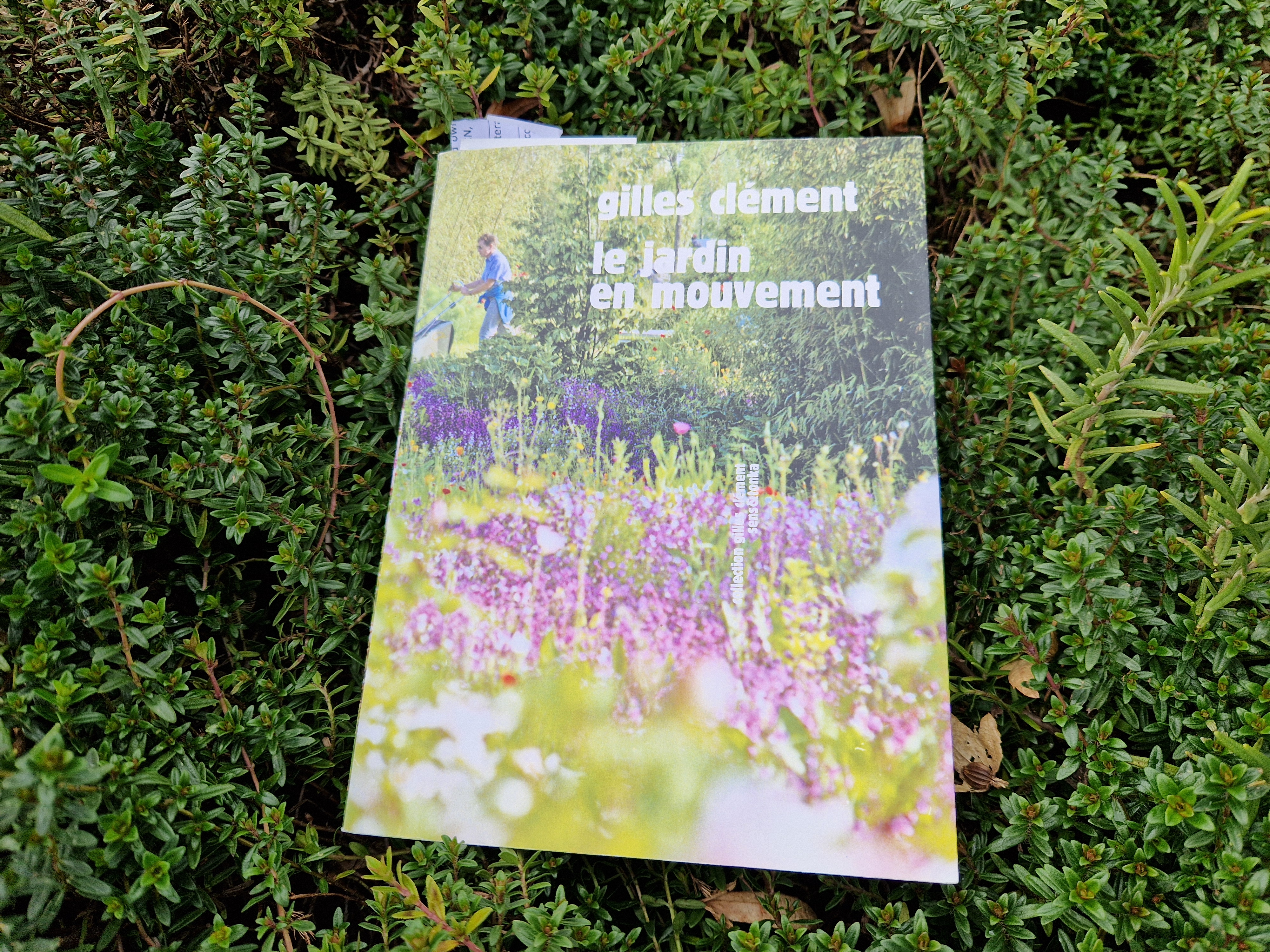
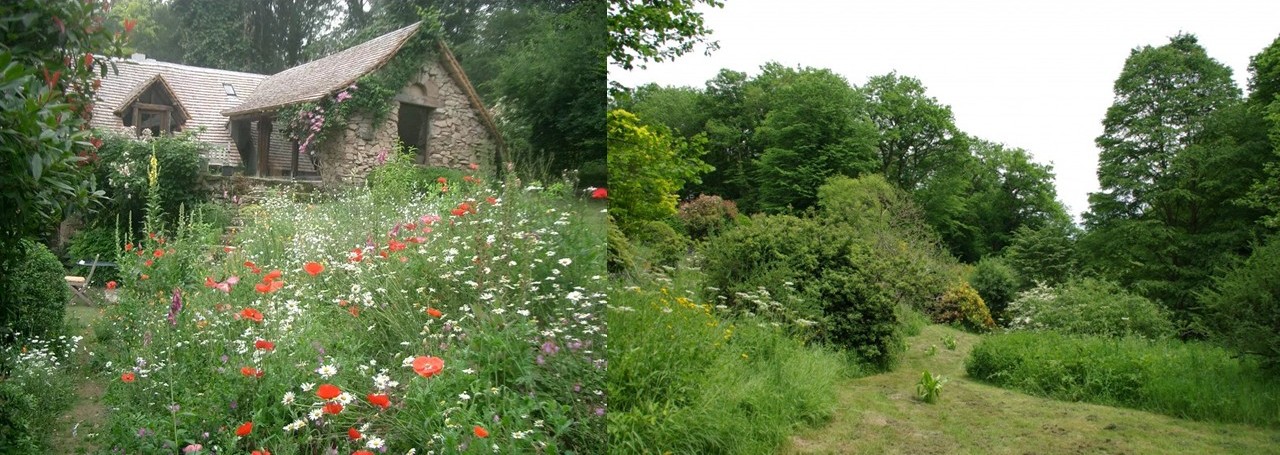
I am a fan of Gilles Clément's vision. The importance of this influential French landscape architect lies less in a recognisable design style but more in a fundamental change of mindset. With the concept Garden in Motion (1991), he demonstrates that spontaneous vegetation, seed dispersal and dynamics are not problems to be combated, but rather the very essence of a living garden.
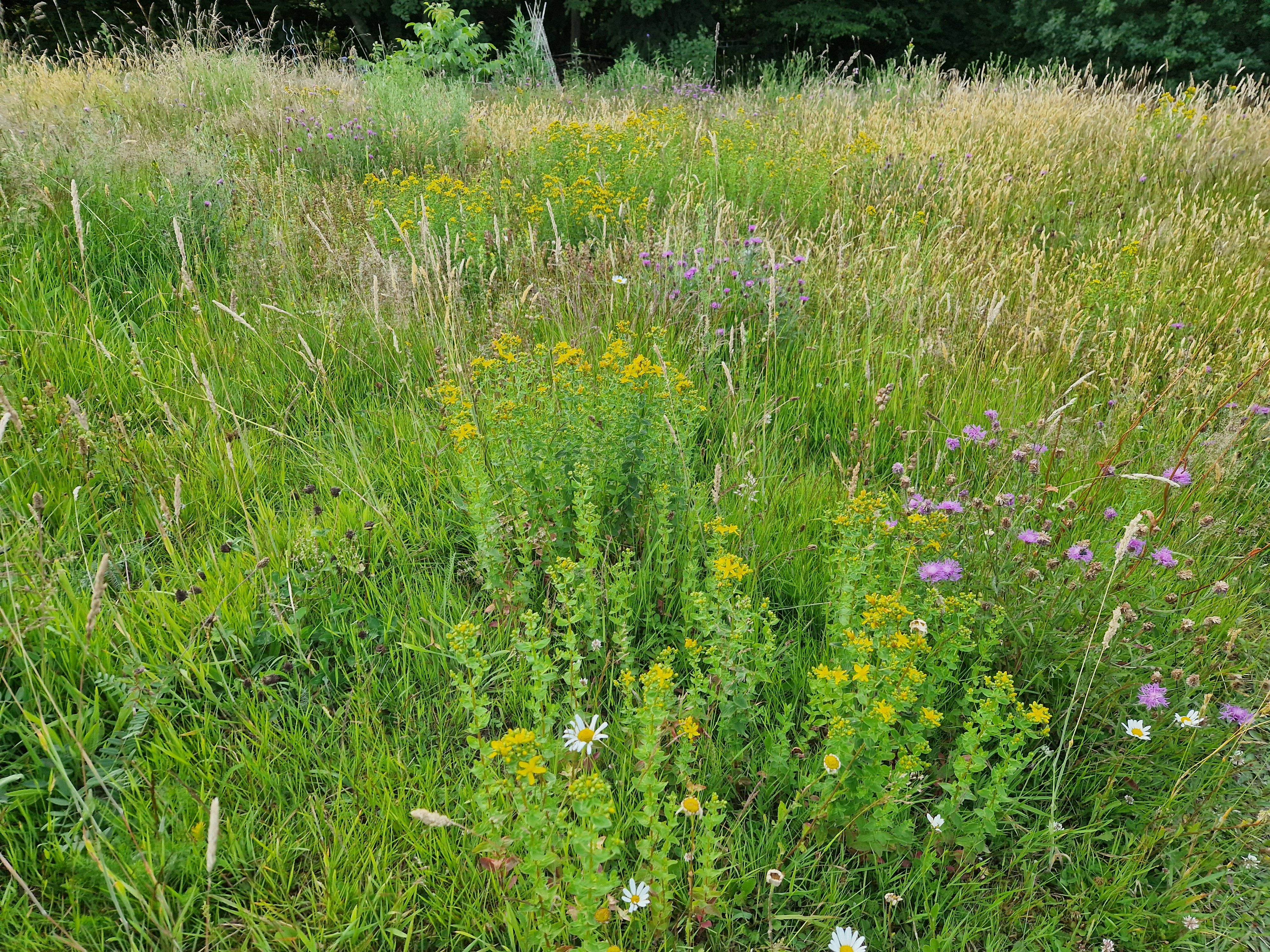
With Clément, the gardener becomes a companion who cooperates with natural processes rather than opposing them. In his idea of the Third Landscape (2004), he emphasises the importance of neglected and wild places - shrublands, wastelands, roadsides, embankments and abandoned industrial zones. Just these areas are crucial for biodiversity because they are largely free of human control and leave room for spontaneous nature. Clément values processes and dynamics above all, and is less focused on individual species.
"Do as much as possible with nature, and as little as possible against it." (translated quote)
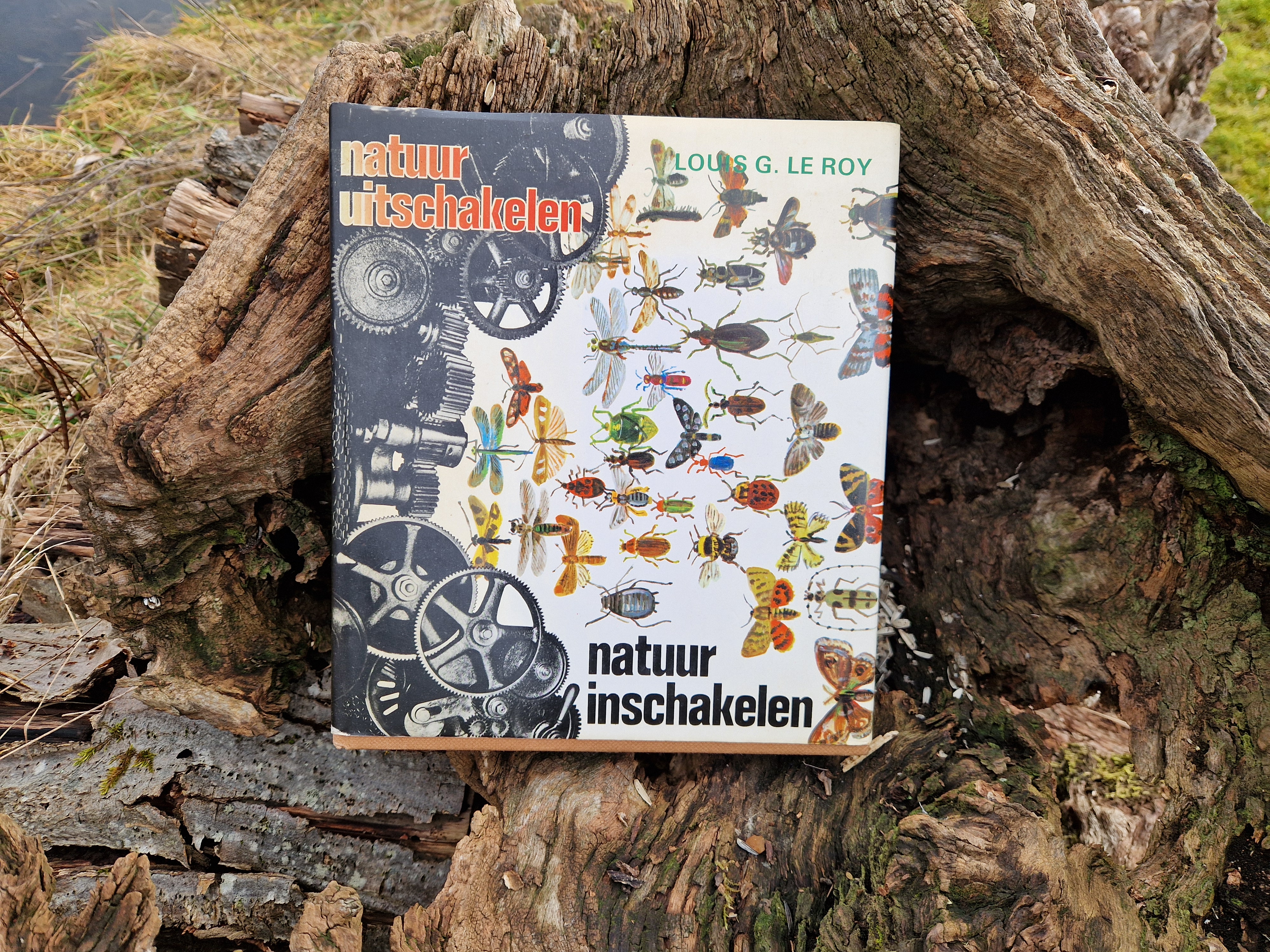
At last, I stumbled upon Louis Le Roy's work and his book Enable nature, switch off nature (1970), which takes an idiosyncratic position. For him, letting go of design is central. Man is not a designer, but at most an instigator. Landscape, according to Le Roy, develops best through self-organisation, over very long time scales. His Eco-Cathedral in Mildam is a living, dynamic art and landscape project that is continuously being built on through reuse and stacking building materials without cement. It is a work that is never finished and continues to evolve. He believes that biodiversity, complexity and beauty emerge from time, chaos and human humility.
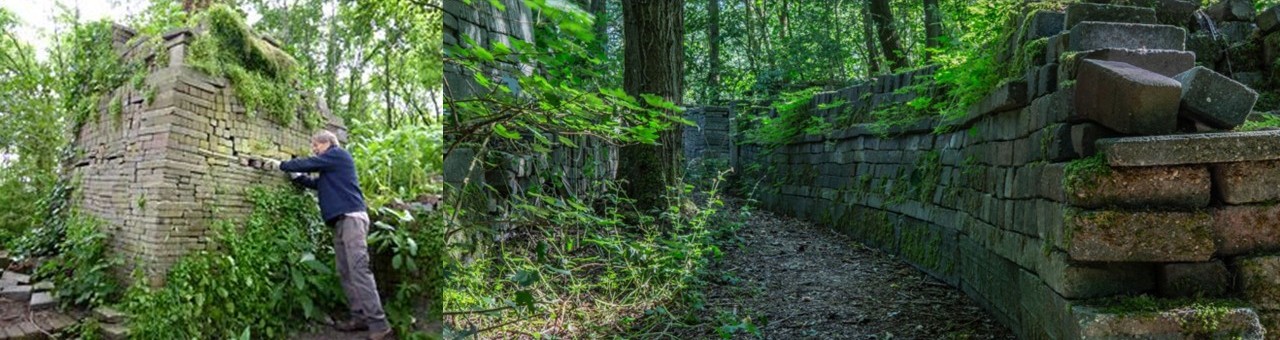
Ecokathedraal mildam (c) https://leroytuin.nl/ & Screennoord
In our work, I draw inspiration from these and other examples but try to work with native vegetation as much as possible. It remains a fascinating process. Every garden is unique. Are you interested in making your existing garden more natural, or have you just moved and would like to get started with your garden, be sure contact us for garden plan or planting plan of certain area. Or book a online session of ecological advice or a garden visit to get inspiration on what is possible with you.
Garden and landscape architecture is a profession in itself. It requires spatial insight, a sense of aesthetics and visual axes, and drawing skills that I will probably never fully master. Still, I like to be inspired by it. At the year end, I became fascinated by a number of books by influential figures who each made their own contribution to the gardening movement, natural or otherwise. In this blog, I like to share some insights - and with each book you read, you will discover new ones that are still waiting to be discovered.
The book The garden is a process. 100 years of gardens Mien Ruys (1924-2024) highlights the life's work of this leading Dutch garden designer. Ruys pioneered the use of perennials, no longer as mere decoration, but as fully-fledged building blocks of a garden design. Her work is characterised by clear spatial structures: clean lines, dimensions and repetition, in which perennials were used orderly and thoughtfully.
Through strong combinations, she creates tranquillity and cohesion, while flowering, leaf structure and seasonal changes provide dynamism. She is one of the first to fine-tune her plantings in terms of location, maintenance and durability, making them work in the long term. Her gardens are accessible to a wide audience: the combinations are reproducible and her test gardens act as a living textbook.
"Simplicity is the hardest thing there is." (translated quote)
Dedemsvaart experimental gardens by Mien Ruys © Conny Den Hollander
Mien Ruys's work forms an important basis for what is further developed in the 1980s by Piet Oudolf and the Dutch Wave >. Here, the focus palpably shifts from rigid structure to ecology and experience. The arrangement in lines and boxes gives way to a more naturalistic approach, in which plants are chosen based on their full life cycle. Texture, seed heads and winter appearance are given as much attention as flowering, keeping the garden meaningful beyond the flowering season. Structure is no longer in lines and compartments, but in the planting itself.
Oudolf works with large, ecologically inspired plant communities, based on natural systems. He prefers species and cultivars that are close to their wild origins: plants with a natural growth form and sturdy stems. These are more predictable, ecologically valuable and fit better in mixed, naturalistic plantings. Plantings become more landscape-like, the garden looks wilder but is still carefully composed. The result is an aesthetic that is close to nature without being truly 'wild'. In my opinion, this should also be possible with native plant communities and worth exploring.
"Repetition of plants gives rhythm and coherence; it makes loose parts into one whole." (translated quote)
Piet Oudolf gardens: Hauser & Wirth, Somerset © Green Inspiration & Museum Voorlinden
I am a fan of Gilles Clément's vision. The importance of this influential French landscape architect lies less in a recognisable design style but more in a fundamental change of mindset. With the concept Garden in Motion (1991), he demonstrates that spontaneous vegetation, seed dispersal and dynamics are not problems to be combated, but rather the very essence of a living garden.
With Clément, the gardener becomes a companion who cooperates with natural processes rather than opposing them. In his idea of the Third Landscape (2004), he emphasises the importance of neglected and wild places - shrublands, wastelands, roadsides, embankments and abandoned industrial zones. Just these areas are crucial for biodiversity because they are largely free of human control and leave room for spontaneous nature. Clément values processes and dynamics above all, and is less focused on individual species.
"Do as much as possible with nature, and as little as possible against it." (translated quote)
Gilles Clement's garden in Crozant (Creuse) © Reporterre & BotaniqueJardinsPaysages
At last, I stumbled upon Louis Le Roy's work and his book Enable nature, switch off nature (1970), which takes an idiosyncratic position. For him, letting go of design is central. Man is not a designer, but at most an instigator. Landscape, according to Le Roy, develops best through self-organisation, over very long time scales. His Eco-Cathedral in Mildam is a living, dynamic art and landscape project that is continuously being built on through reuse and stacking building materials without cement. It is a work that is never finished and continues to evolve. He believes that biodiversity, complexity and beauty emerge from time, chaos and human humility.
"Ecocathedrals: where plants, animals and humans work together ...
... and where space gets time, and time gets space. ." (translated quote)
Ecokathedraal mildam (c) https://leroytuin.nl/ & Screennoord
This is how everyone fascinated by gardening and landscaping searches for their way of working, their interpretation and interpretation. What stays with me as a common thread is that the power of gardens lies in their dynamism, that they are a process and in se never finished but keep evolving. Therein lies their added value, especially in a natural garden full of life, which becomes more diverse and resilient with age. A garden can be beautiful without being perfect. Looking at gardens differently beyond sheer beauty broadens our view ... a garden that touches you, where you find peace, that evokes wonder, that aligns with you, where you feel at home in and that connects with its surroundings.
In our work, I draw inspiration from these and other examples but try to work with native vegetation as much as possible. It remains a fascinating process. Every garden is unique. Are you interested in making your existing garden more natural, or have you just moved and would like to get started with your garden, be sure contact us for garden plan or planting plan of certain area. Or book a online session of ecological advice or a garden visit to get inspiration on what is possible with you.
Comments
- Mooi, An! Zin om al die boeiende boeken te lezen ook :) en ik zie al een boek van In my Backyard op de stapel liggen :) (Mieke Lateir)
- Mooi dat Louis Le Roy zijn boek "Natuur uitschakelen, natuur inschakelen" ook staat vermeld. Hoewel het boek al meer dan een halve eeuw geleden is uitgegeven, is het nog steeds actueel en een inspiratiebron voor velen. (Peter Wouda / ecokathedraal bouwmeester )
- Heel knap, om bij te watertanden. Het is als bij architecten en componisten die op papier kunnen uitwerken wat ze in beeld of geluid willen realiseren. Altijd veel bewondering daarvoor gehad. Proficiat met jullie werk en heldere artikels. (Johan)
Add a comment